



February 5, 2026
Agency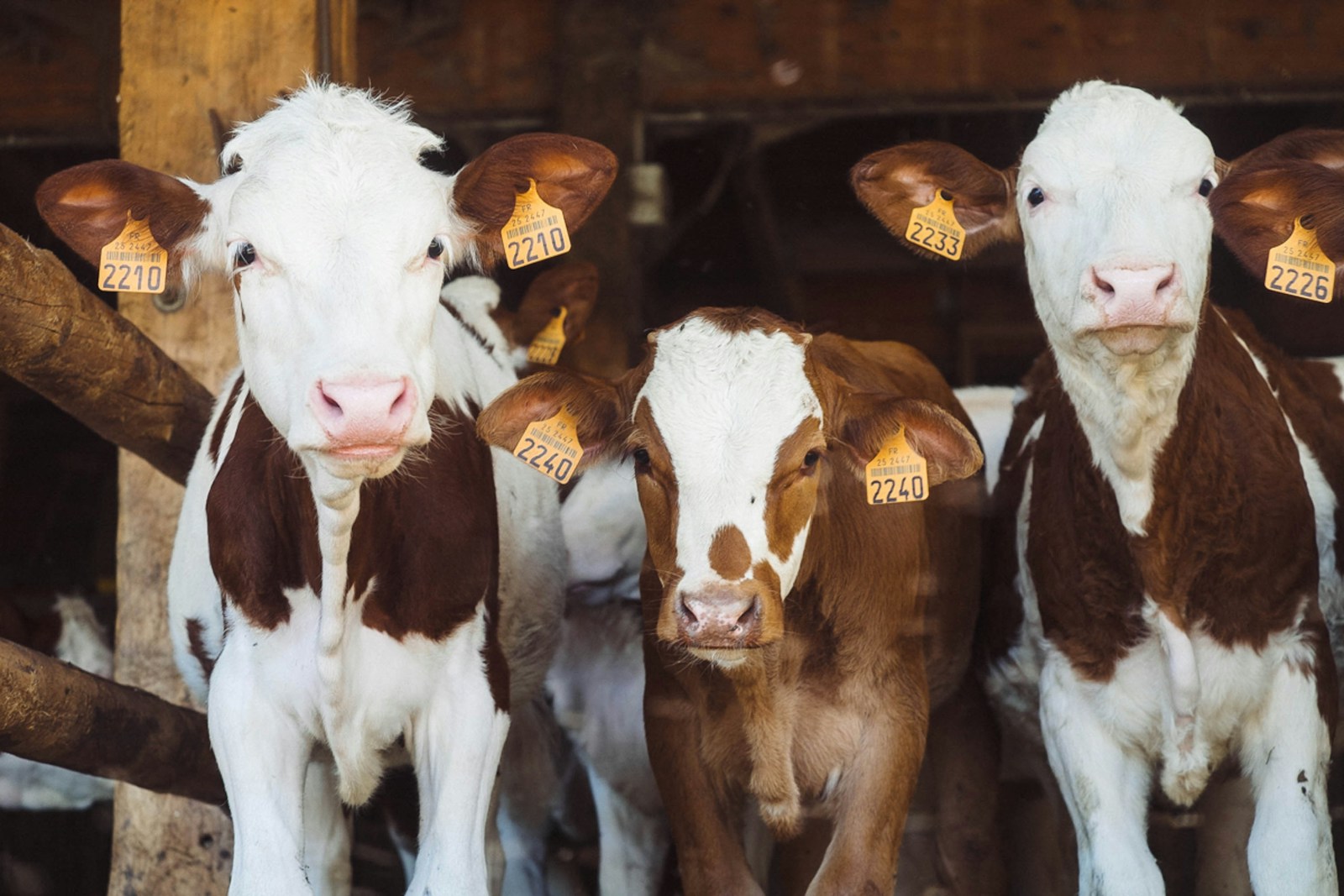
How Weather Trends Are Impacting Farm Insurance Claims
Farm operations today may need to account for shifting temperatures, stronger storms and inconsistent rainfall, potentially creating new challenges for crops, livestock and equipment. These changes have also influenced the volume and type of insurance claims filed by many farm owners.
The Landscape of Farm Risks
As conditions fluctuate, farmers often encounter new vulnerabilities that influence how they manage risk. Flooding can lead to crop loss or soil degradation. High winds may topple structures or damage machinery. Prolonged dry periods can reduce yields or increase the likelihood of fire. Livestock may experience higher stress levels linked to heat or poor pasture conditions. These issues can directly influence the frequency and scale of insurance claims, shaping how coverage is priced and structured.
The Importance of Farm Insurance
Farm insurance generally combines multiple types of coverage to help reduce financial losses from property and liability risks specific to agricultural operations. Standard coverage may include:
- Crop loss caused by storms, drought, flooding or sudden temperature shifts
- Livestock loss due to accidents, harsh weather or disease outbreaks
- Damage to buildings and structures such as barns, storage facilities, fencing or greenhouses
- Equipment damage involving tractors and other machinery affected by fire, collisions or severe weather
- Liability coverage for incidents that cause injury or property damage involving third parties
- Business interruption support during periods where operations cannot continue as planned
Speak to an Agent Near You
Anderson & Anderson Insurance helps agricultural operations in Hartington, NE and nearby communities find suitable farm insurance solutions amid potentially increasing environmental concerns. Contact us today to schedule a consultation or request a custom quote.
This blog is intended for informational and educational use only. It is not exhaustive and should not be construed as legal advice. Please contact your insurance professional for further information.
Categories: Blog, Farm Insurance